
How to Sell an As Is Where Is House in New Zealand
By Anna Hayes 2026-10-16
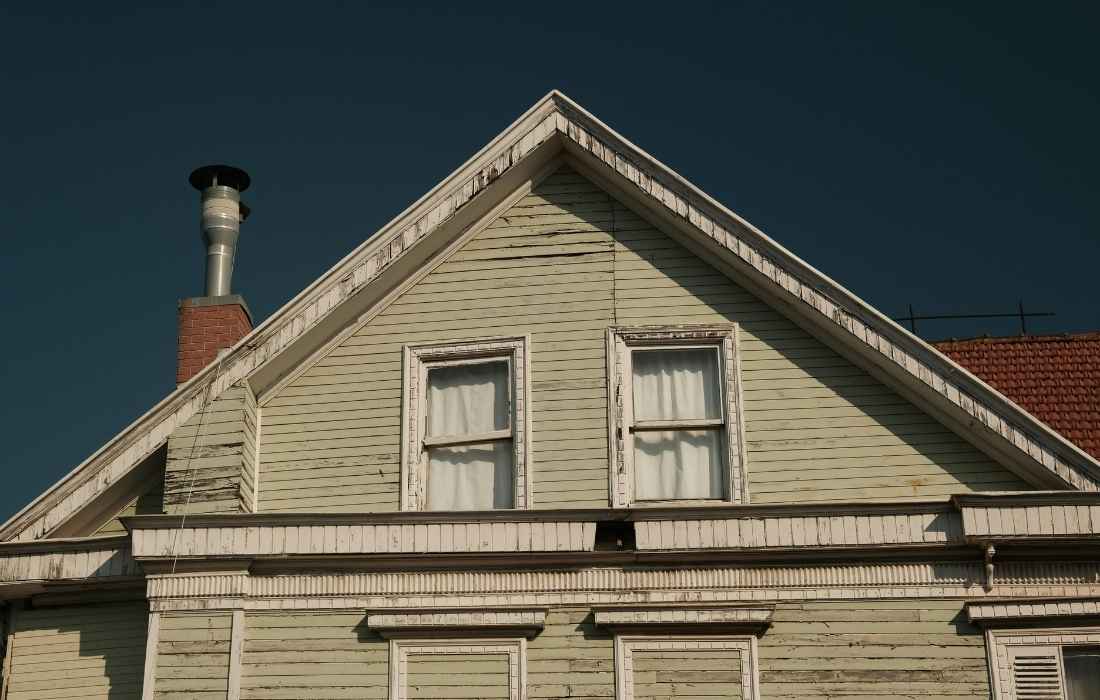
Selling a house isn't always as simple as tidying up, making a few repairs and putting it on the market.
Perhaps the property has earthquake damage, unfinished renovations, years of deferred maintenance or tenants who have left it in poor condition. Maybe you've inherited a house that needs more work than you want to take on.
Whatever the situation, you may be able to sell the property in its current condition without spending thousands on repairs first.
In New Zealand, this is commonly known as an as is, where is sale. But what does it actually mean, what are your obligations, and how do you decide which selling option is right for you?
This guide explains what you need to know, the paperwork worth gathering and the different ways you can sell.
What Does "As Is, Where Is" Actually Mean?
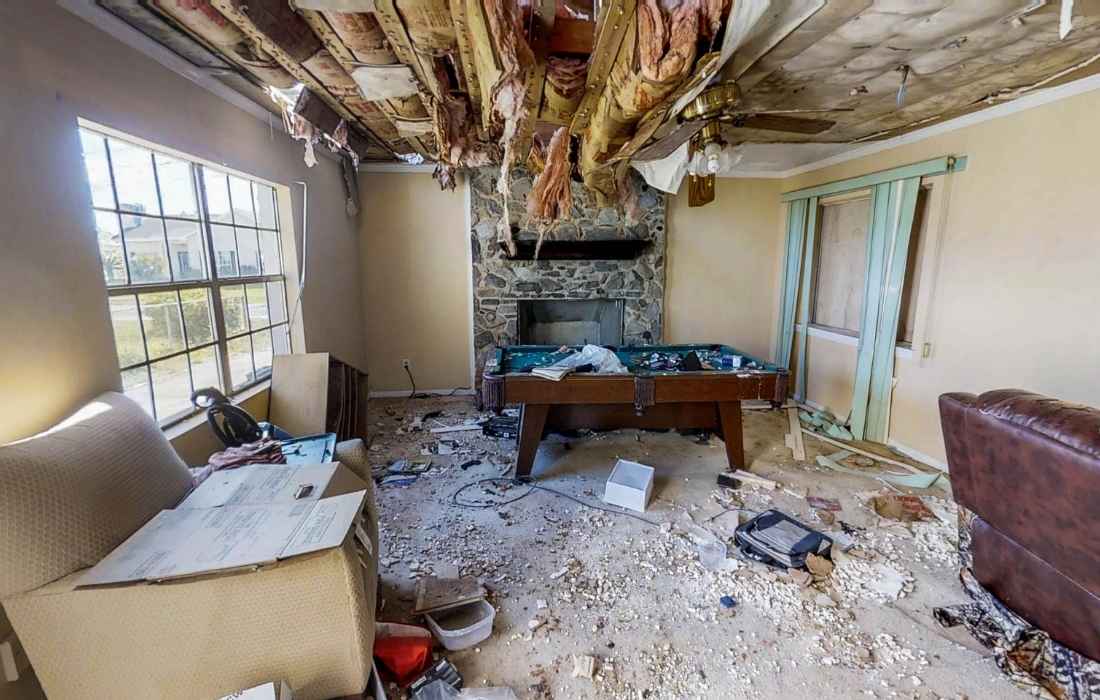
Selling a property as is, where is means offering it in its present condition, unless the sale and purchase agreement sets out specific work to be completed before settlement.
You're generally not agreeing to repair, renovate or improve the property before the sale. The buyer accepts the property in the agreed condition, subject to the terms of the contract and the parties' legal obligations.
As explained by Settled.govt.nz's guide to selling after a natural disaster, an as is, where is sale can be an option for owners dealing with substantial damage, insurance issues or repairs they don't intend to manage themselves.
It isn't limited to earthquake-damaged houses. Properties may also be sold this way because of owner neglect, unconsented building work, an estate sale or a mortgagee sale.
Why Would You Sell a House As Is Where Is?
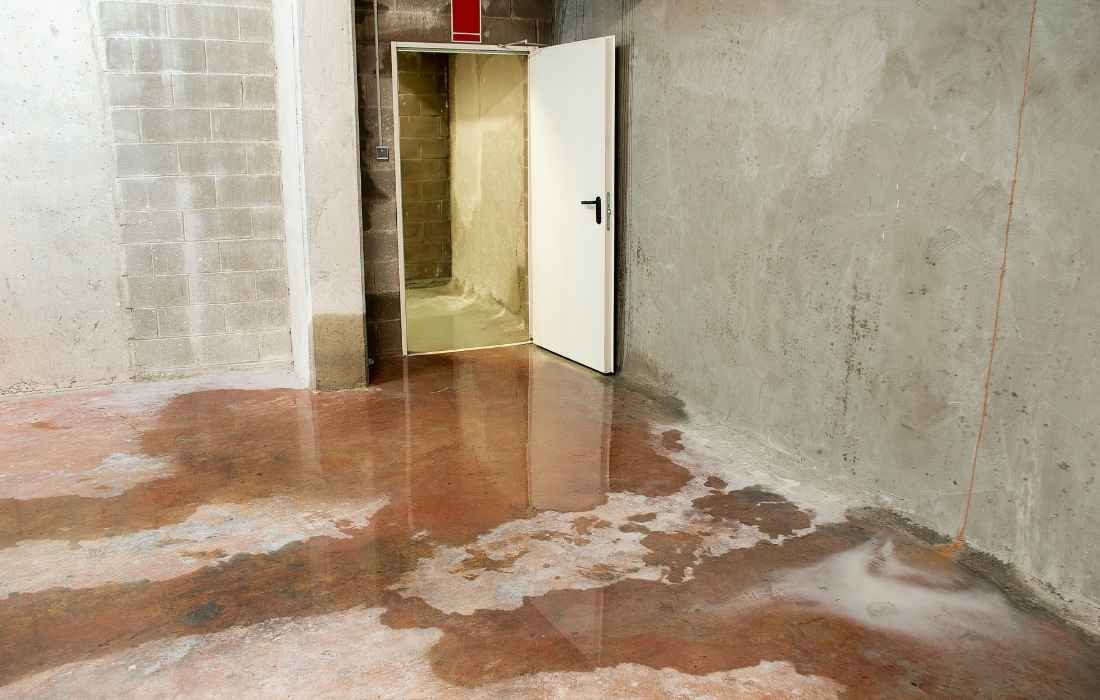
There are several reasons a homeowner might decide that selling in the property's current condition makes more sense than fixing it first.
- Substantial damage: The property has suffered earthquake, flood, fire or other damage, and the cost or complexity of repairs is significant.
- Insurance complications: An insurer has assessed the property, but repairs remain outstanding or an insurance claim is unresolved.
- Unfinished renovations: Building work has been started but not completed, or consent and compliance issues need to be addressed.
- Deferred maintenance: Years of neglected repairs have left the property needing more work than the owner can afford or manage.
- Tenant damage: A rental property needs substantial work following tenant damage or prolonged maintenance issues.
- An inherited property: The owner or estate representatives would prefer to sell rather than organise repairs and prepare the home for a conventional sale.
For some owners, repairing the property before selling may produce a better financial result. For others, the time, money and uncertainty involved make selling as is a more practical option.
What Do You Still Have to Disclose When Selling As Is?

Selling a property as is, where is does not remove your disclosure obligations.
You must still answer questions about the property honestly and comply with your legal and contractual obligations. Known issues involving structural damage, leaks, previous repairs, unconsented work or insurance claims may be relevant to the buyer's decision.
If you use a real estate agent, the agent must disclose known defects and take appropriate steps when there is reason to suspect a significant underlying issue. The Real Estate Agents Act (Professional Conduct and Client Care) Rules 2009 set out these obligations.
The Real Estate Authority's guidance on natural disaster damage also explains that disclosure requirements continue to apply when a property is marketed as is, where is.
Whether you're selling privately, through an agent or directly to a buyer, speak to your lawyer about what needs to be disclosed and how the sale agreement should be worded.
Gather Your Paperwork Before You Sell
Having the relevant paperwork ready can help buyers understand the property's condition and make the sale process more straightforward.
Depending on the property, useful documents may include:
- Insurance policies, claim correspondence and settlement documents.
- Engineering reports and building assessments.
- Scopes of work, repair estimates and records of completed repairs.
- Building consents, Code Compliance Certificates and any Certificates of Acceptance.
- Builder's guarantees and warranties, where applicable.
- Information about the property's land zoning and any relevant council records.
- Documentation relating to previous natural hazard damage and outstanding claims.
If the property has a history of natural hazard damage, the Natural Hazards Commission Toka Tū Ake explains how sellers can request claim information before putting a property on the market.
Gathering these documents early may help avoid delays when a buyer, lawyer, insurer or lender asks for further information.
What If You Have an Outstanding EQC or Insurance Claim?
An unresolved insurance claim can complicate a property sale, particularly if repairs haven't been completed or a cash settlement has already been received.
The Natural Hazards Commission Toka Tū Ake, formerly the Earthquake Commission (EQC), provides cover for eligible natural hazard damage. Whether a claim can be transferred and what benefits remain available depend on the claim and the relevant arrangements.
There are several important things to understand:
- Claims don't automatically transfer with the property. If the parties intend to transfer an eligible claim, the appropriate assignment arrangements need to be completed.
- Previously paid settlements are different from outstanding entitlements. Money already paid to a previous owner doesn't automatically become payable to the new owner.
- Insurance can be affected by outstanding damage. A buyer may encounter difficulties obtaining private house insurance if necessary repairs remain incomplete.
The Natural Hazards Commission's guidance on buying or selling a home with previous claims explains how claim assignments work and what buyers and sellers need to consider.
Before agreeing to a sale, speak to your lawyer and insurer. They can help establish what remains outstanding, whether a claim assignment is appropriate and how the agreement should deal with it.
What If Renovations Are Unfinished or Building Work Wasn't Consented?
Unfinished renovations and unconsented building work can create uncertainty when selling a property.
For example, you may have completed alterations without obtaining the necessary building consent, inherited a property with undocumented work, or discovered that an earlier renovation doesn't meet current requirements.
A Code Compliance Certificate generally confirms that consented building work complies with the building consent. Where work was completed without the required consent, a Certificate of Acceptance may be an option in certain circumstances. However, it isn't the same as a Code Compliance Certificate and doesn't automatically resolve every compliance issue.
Before deciding whether to complete the work or sell the property as is, speak to your local council and a suitably qualified building professional. Your lawyer can also explain the implications of any missing consents, certificates or contractual warranties.
In some cases, completing the work before selling may be worthwhile. In others, the cost and uncertainty make it more practical to sell the property in its current condition, with the relevant issues properly disclosed.
Can You Sell a Tenanted or Tenant-Damaged Rental Property?
Yes, a rental property can be sold with tenants in place, subject to the tenancy agreement and applicable law.
If the buyer is happy to take over as landlord, the tenancy generally continues on its existing terms. The landlord details and bond records must be updated as required.
If the buyer wants the property vacant, the position depends on the type of tenancy and the circumstances of the sale.
According to Tenancy Services' guidance on selling a rental property:
- Where a buyer requires a vacant property under an unconditional sale agreement, at least 42 days' written notice may be required to end a periodic tenancy.
- Where a landlord wants to end a periodic tenancy to market the property without tenants, at least 90 days' written notice is generally required.
- Fixed-term tenancies have different rules, and a sale alone does not normally allow a landlord to end the tenancy early.
These rules depend on the circumstances, and mortgagee sales may be treated differently. Check the current Tenancy Services guidance and get legal advice before giving notice.
If the property has suffered tenant damage, selling it in its current condition may be worth considering alongside the cost of repairs and the likely sale price.
Selling a Property Inherited Through an Estate
Inherited properties can come with additional practical and legal considerations, particularly when the house needs repairs or the estate's representatives don't want to manage a conventional sale.
Before the property can be sold or transferred, the necessary estate and ownership arrangements must be in place. Depending on how the property is owned and the circumstances of the estate, this may involve probate or letters of administration and registering the appropriate transmission of ownership.
The process can affect the timing of the sale, so it's worth speaking to an estate solicitor early. They can confirm what authority is required, who can sign the sale agreement and whether any other steps need to be completed before settlement.
If the property needs substantial work, the estate representatives can then compare the likely cost and benefit of repairs with the option of selling it in its current condition.
Three Ways to Sell a House As Is Where Is
Once you understand the property's condition and any outstanding legal or insurance issues, the next decision is how to sell it. There are three main options to consider.
1. Repair the Property Before Listing
Repairing the property before selling may help attract more buyers and improve the final sale price. However, you'll need to weigh the potential benefit against the cost of the work, the time involved and the risk of uncovering further problems.
This option may suit owners who have the money, time and willingness to manage the repairs. It may be less practical if the property needs extensive work or you need to sell sooner.
2. List the Property As Is With a Real Estate Agent
A real estate agent can market the property to potential buyers, manage enquiries and help negotiate offers. Depending on the property, a sale by auction or another marketing method may be appropriate.
Buyers may include builders, developers, investors or owner-occupiers prepared to take on repairs. The result will depend on the property's condition, location, market demand and the terms of the sale.
As with any property sale, compare the likely sale price with marketing expenses, agent fees, legal costs and any outstanding work or obligations.
3. Sell Directly to a Buyer
A direct sale may suit you if you want to explore a simpler process without open homes, a full marketing campaign or the need to manage repairs before selling.
Depending on the buyer and the terms agreed, you may be able to negotiate a cash offer, fewer conditions and a settlement date that works for your circumstances.
The trade-off is that you may not achieve the same price as a competitive sale campaign. It's worth comparing your options carefully, understanding exactly what an offer includes, and getting independent legal advice before signing an agreement.
There isn't one option that's right for every property. The best approach depends on the property's condition, the likely costs, your timeframe and what matters most to you.
Five Questions to Ask Before Accepting a Cash Offer
If you're considering selling directly to a buyer, don't focus on the offer price alone. Make sure you understand the terms and what happens next.
- Is the offer unconditional? If it has conditions, what are they and when must they be satisfied?
- Who am I dealing with? Will you deal directly with the buyer, and who will manage the process?
- Can the offer change? Are there circumstances in which the buyer can renegotiate or withdraw?
- When will settlement happen? Is the proposed date suitable, and can it be changed by agreement?
- What costs are involved? Are there any fees, commissions or other expenses you need to allow for?
These questions are worth asking of any buyer, including a business that offers to purchase your property directly. Have your lawyer review the agreement so you understand your obligations before signing.
Frequently Asked Questions
Do I have to disclose damage if I sell as is where is?
Yes. Selling as is, where is doesn't remove your disclosure obligations. You must still provide honest answers and comply with the relevant legal and contractual requirements. See Settled.govt.nz's guidance on selling after a natural disaster.
Can I sell my house as is if my EQC claim isn't resolved?
Potentially, yes. However, an outstanding claim can affect the sale terms and what the buyer receives. Talk to your lawyer and insurer about the claim, any assignment requirements and the information that needs to be disclosed.
Do I need to repair or clean the house before selling?
Not necessarily. You can explore selling the property in its current condition, provided the sale is structured appropriately and your legal obligations are met. Whether repairing or cleaning it first makes financial sense depends on the property and the likely costs and benefits.
Can I sell a damaged house privately?
Yes, a private sale may be possible. You'll still need to deal with the sale agreement, disclosures and any relevant insurance, building or ownership issues. Independent legal advice is particularly important if the property has substantial damage or unresolved claims.
Is selling directly to a buyer better than using an agent?
It depends on your priorities. A direct sale may offer a simpler process and a more predictable timeframe, depending on the buyer and agreement. An agent-led campaign may expose the property to more competing buyers. Compare the likely net proceeds, costs, conditions and timing before deciding.
Not Sure Which Way to Go?
Selling a property in its current condition doesn't have to mean accepting the first offer or committing to expensive repairs. Understanding your options can help you make a more informed decision.
Download our free guide, A Homeowner's Guide to Selling Privately. It compares an agent sale, auction and direct sale side by side, and explains the questions to ask before accepting an offer.
The guide is designed to help you understand your options, whether you're ready to sell now or simply exploring what's possible.
This article provides general information only and is not a substitute for legal, financial, building or insurance advice. Requirements depend on the circumstances of the property and sale.
Sources and Further Reading
- Settled.govt.nz – Selling after a natural disaster
- Settled.govt.nz – What is an as is, where is property?
- Natural Hazards Commission – Buying or selling a home with previous claims
- Real Estate Authority – Natural disaster damage and disclosure
- New Zealand Legislation – Real Estate Agents Act conduct rules
- Tenancy Services – Selling a rental property

About the Author
Hi, I’m Anna Hayes — a marketing strategist and website designer at Innovate Digital. I help New Zealand businesses and wellness brands grow with clarity, creativity, and purpose through thoughtful design and authentic digital marketing.
Alongside my work at Innovate Digital, I’m also passionate about natural health and wellbeing. My personal health journey began when I discovered the power of natural products through doTERRA and Nu Skin. What started as a way to support my family’s wellbeing has become a mission to help others live healthier, more balanced lives — while empowering them to build sustainable businesses of their own.
I love that both brands focus on quality, ethical sourcing, and community — values that mirror the way I approach my digital marketing work: with care, transparency, and long-term vision.
If you’d like to connect about digital strategy, brand design, or natural wellness opportunities, I’d love to hear from you.
Anna Hayes
